


Yes, acupuncture can help shoulder pain, particularly for shoulder impingement syndrome and rotator-cuff disease, when used alongside exercise or physical therapy rather than in place of it. Trials show measurable short- to medium-term gains in pain and function, though long-term superiority over other treatments hasn’t been established. Safety is generally good when a licensed practitioner uses sterile, single-use needles, but red flag symptoms like sudden deformity or numbness need medical evaluation first.
TL;DR:
- Acupuncture provides moderate short-term relief mainly for shoulder impingement syndrome and rotator-cuff disease, especially when combined with exercise or physical therapy.
- Evidence shows significant pain and function improvements within the first few months, but benefits tend to plateau after three months and lack proven long-term superiority.
- A well-structured trial involves six to eight sessions over six weeks, paired with ongoing rehab, with progress measured using tools like the SPADI or QuickDASH.
- Safety relies on licensed practitioners following sterile single-use procedures, with minor side effects and rare serious complications, provided proper protocols are followed.
- For best results, acupuncture should complement a comprehensive shoulder recovery plan that emphasizes strengthening, movement, and objective progress tracking.
Table of Contents
- What the research says about acupuncture for shoulder pain
- Which shoulder conditions respond best to acupuncture
- What a session involves and how to stay safe
- How to run a safe, time-limited trial of acupuncture
- How humn. builds acupuncture into a shoulder recovery plan
- Where the conventional advice falls short
- A coached path forward with humn.
- Sources
- FAQ
What the research says about acupuncture for shoulder pain
The strongest evidence for acupuncture and shoulder pain centers on two overlapping conditions: shoulder impingement syndrome and rotator-cuff disease. A 2024 systematic review and meta-analysis of five randomized controlled trials in shoulder impingement syndrome found manual acupuncture reduced pain with a standardized mean difference of −0.50 and improved shoulder function and disability scores with a standardized mean difference of −0.57. Those numbers describe a moderate effect, the kind of change a patient would likely notice, not a dramatic cure but a real one.
Meaningful short-term pain and function gains have been found in acupuncture trials for shoulder impingement syndrome, according to the 2024 meta-analysis, though the authors were careful to flag that their pooled data came from small trials with notable differences in how acupuncture was delivered across studies.
Rotator-cuff disease has a larger evidence base. A separate 2024 meta-analysis of 13 randomized controlled trials involving 1,371 people found that acupuncture, whether used alone or combined with physical therapy, improved pain and function in the short and medium term. The same review reported gains in specific range-of-motion measures, including shoulder abduction, external rotation, and forward flexion. What it didn’t find was a lasting advantage over other treatments once trials extended past three months. A related meta-analysis on rotator cuff disease reached a similar conclusion: acupuncture works reasonably well for shorter follow-up periods, with internal rotation improving less consistently than abduction or flexion, a useful detail for setting realistic expectations.
One of the more convincing pieces of evidence comes from a sham-controlled randomized trial of 80 people with subacromial impingement syndrome. Everyone in the study did exercise therapy, but half also received real acupuncture while the other half received a sham version. The group getting real acupuncture showed greater improvements on the QuickDASH and WORC functional scales and in range of motion, and most of that advantage held up at the one-month follow-up. This trial matters because it isolates the effect of acupuncture itself rather than crediting the exercise program for the whole result.
None of this evidence is airtight. Reviews consistently point to small sample sizes, inconsistent point selection between studies, and risk-of-bias concerns that make the exact size of the benefit hard to pin down. A broader review of shoulder acupuncture trials found that older studies tended to be small and variable in quality, with some improvement visible at four weeks but uncertain clinical significance further out. That doesn’t erase the signal, but it does mean the evidence supports a measured recommendation rather than a sweeping one.
Put together, the most consistent pattern across these reviews is short-term relief for well-defined shoulder diagnoses, especially when acupuncture is paired with exercise rather than tried on its own. That pattern shapes almost everything that follows about who is likely to benefit and how to use it well, a theme our guide on combining acupuncture with exercise-based shoulder rehab covers in more practical detail.
Which shoulder conditions respond best to acupuncture
Not every shoulder problem responds the same way, and matching your diagnosis to the evidence is the single most useful thing you can do before booking a session.
- Shoulder impingement syndrome: This is where the evidence is strongest. Trials consistently show reduced pain and improved function when acupuncture is added to standard care.
- Rotator-cuff disease: A well-studied category with documented gains in pain, function, and specific range-of-motion measures like abduction and forward flexion, particularly over the first few months of treatment.
- Frozen shoulder (adhesive capsulitis): Evidence here is thinner and more mixed than for impingement or rotator-cuff disease, with some improvement reported but less certainty about how long it lasts.
- Myofascial trigger points: Localized muscle knots around the shoulder blade and upper back often respond to trigger-point style needling, though this is typically studied as part of broader shoulder pain protocols rather than as its own category.
Acupuncture is a poor first choice in a few specific situations. A large full-thickness rotator-cuff tear usually needs a surgical opinion rather than a needle-based approach. Signs of infection, a suspected fracture, or a shoulder that suddenly can’t move at all point toward urgent medical evaluation, not a course of acupuncture. Clinical perspectives on Chinese medicine for shoulder pain generally agree that acupuncture belongs alongside a proper diagnosis and rehabilitation plan, not as a substitute for either.
What a session involves and how to stay safe
A typical visit starts with an assessment of your shoulder’s range of motion, pain pattern, and any aggravating movements, followed by point selection based on your specific complaint. Some practitioners use manual acupuncture, inserting needles and leaving them in place for a set time; others use electroacupuncture, which adds a mild electrical current to the needles. Sessions usually run 20 to 40 minutes, and older trials often used protocols of around 12 sessions over six weeks as a common structure.
Practitioner safety checklist:
- Confirm the practitioner is licensed and follows sterile, single-use needle protocols.
- Ask how they clean and set up their treatment space.
- Check that they ask about your medical history, medications, and any bleeding disorders before treating you.
According to NCCIH, common side effects are minor: temporary soreness at the needle site, small bruises, and occasional light-headedness. Serious complications are uncommon when treatment follows proper sterile technique with FDA-regulated single-use needles. Safety depends heavily on practitioner skill and your own medical context, which is why licensing matters more than convenience when choosing where to go. Our guide on what to expect at a first acupuncture visit walks through the logistics in more detail.
Certain symptoms mean you should see a doctor before considering acupuncture at all: a visibly deformed shoulder, sudden total loss of movement after trauma, numbness or tingling down the arm, or chest pain and shortness of breath alongside shoulder discomfort, which can occasionally signal a cardiac issue rather than a musculoskeletal one.

Pro Tip: Bring a written note of your pain triggers and range-of-motion limits to your first visit so the practitioner can target treatment more precisely and you can track changes objectively over time.
How to run a safe, time-limited trial of acupuncture
Treat acupuncture like an experiment with a clear endpoint rather than an open-ended commitment. Here’s a practical way to structure that trial:
- Set a defined course. Plan for roughly 6 to 8 sessions over 4 to 6 weeks, which mirrors the duration used in most of the trials showing benefit.
- Pair it with exercise from day one. Continue or start a progressive rehab program, since the sham-controlled trial found the real benefit came from acupuncture added to exercise, not acupuncture alone. Guidance like the 0 to 3 pain rule for training around joint pain is a reasonable framework for pacing that exercise.
- Pick your outcome measures before you start. Use a validated tool like the SPADI or QuickDASH questionnaire, plus a task-based goal such as reaching overhead for a shelf or sleeping on the affected side without waking up.
- Reassess at 4 to 6 weeks. This is the point most trials use to judge whether treatment is working.
- Apply a clear decision rule. Continue if you see a meaningful shift, and a commonly cited practical threshold from older research is roughly a 10-point improvement on the SPADI scale or a comparable gain in daily function. Stop or reconsider your approach if nothing has moved by that point.
A 10-point improvement on the SPADI scale is a reasonable benchmark for meaningful progress, based on the outcome thresholds used in earlier randomized trials of acupuncture for chronic shoulder pain, and tracking it gives you an objective answer instead of a vague impression.
If you’re building a short rehab plan to run alongside acupuncture, a resource like a 4-week plan to restart fitness after injury can help structure the exercise side of that trial so the two approaches reinforce each other instead of working in isolation. The point of this whole approach is to avoid an indefinite, unmeasured commitment. Acupuncture that isn’t producing a measurable change by six weeks is unlikely to start working on week ten, and that’s useful information either way.
How humn. builds acupuncture into a shoulder recovery plan
At humn., acupuncture isn’t offered as a stand-alone fix. It’s one piece of a systems-based approach built around four pillars: Resist, Recover, Renew, and Rhythm. For shoulder pain specifically, that usually means a coordinated pathway rather than a single appointment: an initial assessment of movement and pain patterns, a coached rehab plan built around progressive strength work, and acupuncture layered in as an adjunct when it fits the case, alongside recovery tools like sauna, compression, and red light therapy.
Progress gets tracked over time instead of guessed at, which lines up with how the strongest trials measure success: defined outcomes, checked on a schedule. humn. doesn’t position acupuncture as a cure-all, and the evidence doesn’t support treating it that way either. For someone who wants shoulder pain addressed inside a coached, whole-person plan rather than through a single isolated service, that integrated structure is the more relevant fit.
Where the conventional advice falls short
Most articles on acupuncture and shoulder pain either oversell it as a fix-all or dismiss it as placebo dressed in ritual. Neither holds up. The trials point somewhere more specific: acupuncture has a real, moderate effect on pain and function for certain diagnoses, and that effect shows up fastest and most reliably when it’s paired with exercise, not offered as a substitute for it.

The bigger failure in most guidance is the lack of an endpoint. People start acupuncture with no plan for judging whether it’s working, so they either quit too early or keep paying for sessions that stopped helping months ago. A six-week trial with a real outcome measure, a SPADI score, a range-of-motion target, the ability to sleep on that side again, turns an open-ended hope into a decision you can actually make.
If you take one thing from the research, take this: acupuncture is a reasonable adjunct for impingement and rotator-cuff pain, not a replacement for strengthening the shoulder. Prioritize the exercise, use acupuncture to make that exercise more tolerable, and measure your results instead of trusting how you feel in the moment.
— Josh
A coached path forward with humn.
If you’re dealing with shoulder pain and want more than a single service tacked onto a generic gym membership, humn. builds acupuncture into a broader coaching relationship rather than treating it as an isolated appointment. Members get structured progress tracking across strength, recovery, and lifestyle factors, so a shoulder issue gets addressed as part of a coordinated plan instead of a one-off fix.
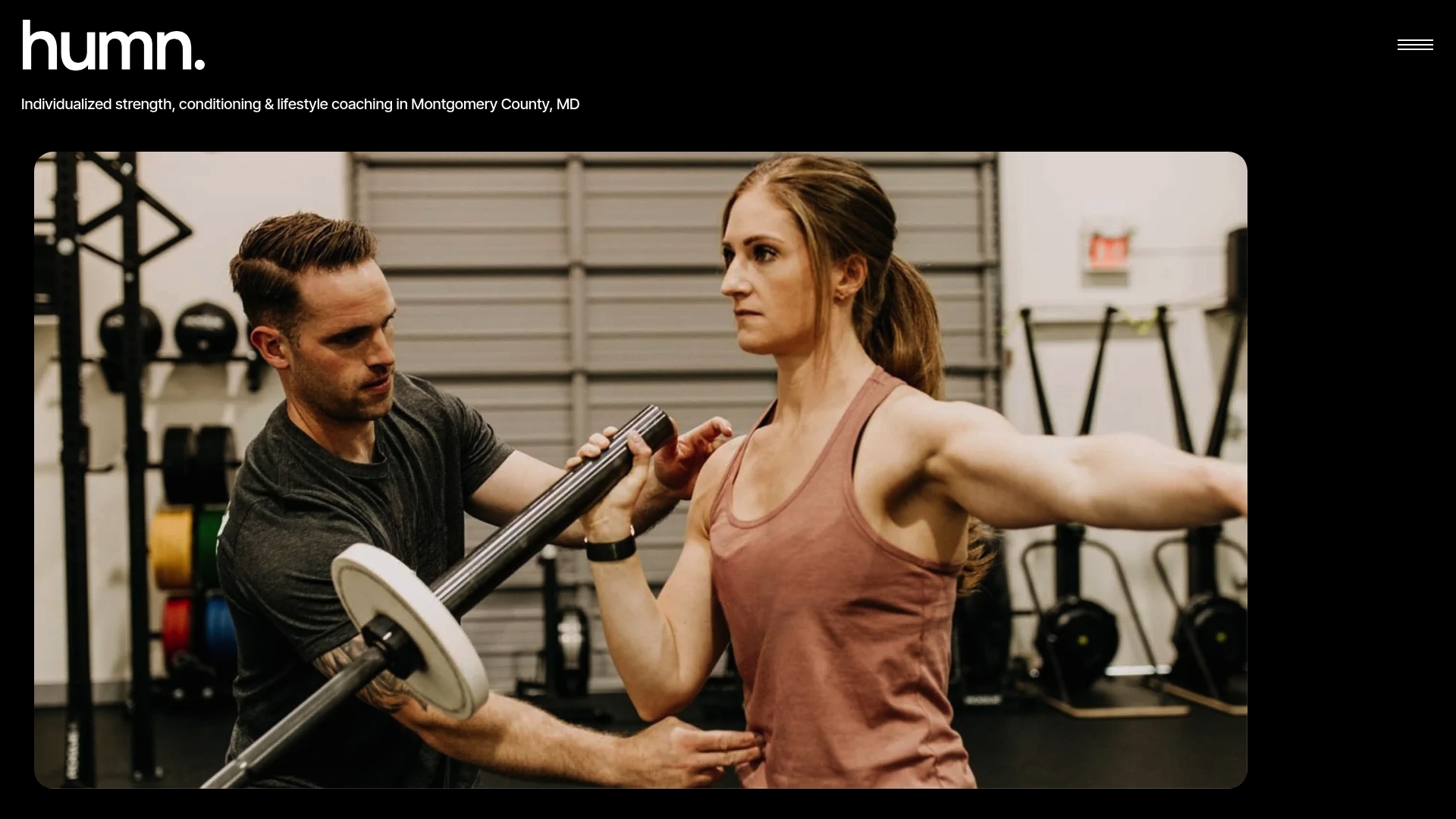
That structure fits well if you came to this article looking for a way to actually test whether acupuncture helps your shoulder, rather than guessing. Coaches at humn. can coordinate acupuncture with progressive strength work and recovery tools like sauna, compression, and red light therapy, and pair that with 1:1 nutrition coaching if sleep or recovery capacity is part of the picture. If that kind of integrated, tracked approach sounds like what your shoulder needs, check current membership and coaching options to see what’s available.
This article is general information, not a substitute for advice from a qualified doctor. Consult a qualified healthcare professional about your own circumstances before acting on anything here.
Sources
- Effects of acupuncture on shoulder impingement syndrome: A systematic review and meta-analysis
- Efficacy comparison between acupuncture and other modalities in the treatment of rotator cuff diseases: meta-analysis of randomized controlled trials
- Randomized trial of acupuncture plus exercise vs sham plus exercise in subacromial impingement syndrome
- Acupuncture: Effectiveness and safety | NCCIH
FAQ
Where is the acupuncture point for shoulder pain?
Practitioners typically target points around the shoulder joint itself along with nearby points on the upper back, neck, and sometimes the hand or lower leg, depending on the specific diagnosis and technique used. Point selection varies by practitioner and condition, and trials on rotator-cuff disease show benefit from a range of protocols rather than one fixed point set.
What could be causing pain in my shoulder muscles?
Shoulder muscle pain often comes from impingement syndrome, rotator-cuff irritation or tears, muscle strain, or myofascial trigger points that develop from overuse or poor posture. A proper diagnosis matters because treatments that work well for impingement may not be the right first step for a large tear or an unstable joint.
How to fix shoulder pain?
Most shoulder pain improves with a combination of progressive exercise, activity modification, and time, with acupuncture serving as a useful adjunct for pain and function in conditions like impingement syndrome and rotator-cuff disease. A structured plan that pairs exercise with acupuncture tends to outperform either approach alone in the trials that have tested it directly.
What are some good exercises for shoulder recovery?
Effective shoulder recovery programs usually combine range-of-motion work, rotator-cuff strengthening, and scapular stability exercises, progressed gradually as pain allows. Following a pacing framework, such as training around joint pain without flaring symptoms, helps avoid pushing through pain that signals a setback rather than progress.
Can acupuncture help shoulder pain long term?
Acupuncture shows the most consistent benefit in the short to medium term, generally within the first three months, and current reviews have not established a lasting advantage over other treatments beyond that window. Ongoing relief is more reliably tied to continued strengthening and rehab work than to acupuncture alone, based on findings from meta-analyses of rotator-cuff disease treatment.
No Comments.