


A systems-based fitness program is defined as a coordinated framework where training, nutrition, sleep, and recovery function as interdependent pillars that multiply to determine your overall performance. This approach, also called whole-person or integrated fitness programming, treats your body as an ecosystem rather than a machine with separate parts. Neglecting any single pillar cancels progress across the entire system. That means skipping recovery does not just make you sore. It actively undermines the strength gains you earned in the gym. humn builds its entire coaching model on this principle, integrating strength training, recovery, and lifestyle habits under one roof through its four-pillar framework: Resist, Recover, Renew, and Rhythm.
What is a systems-based fitness program and how does it work?
A systems-based fitness program works because its components reinforce each other in feedback loops. Poor sleep raises cortisol, which slows muscle repair and kills motivation. Low motivation leads to skipped sessions. Skipped sessions reduce the training stimulus that makes nutrition and recovery meaningful. One weak link pulls the whole chain down.

The concept of a “choke point” explains this clearly. The weakest factor in your recovery cascade limits the entire system’s output. A person who trains hard, eats well, but sleeps five hours a night will plateau faster than someone who trains moderately and sleeps eight. The choke point, not the strongest pillar, sets the ceiling.
This is also why a systems approach reduces decision fatigue. When your nutrition timing, training schedule, and sleep window are designed to work together, you stop making dozens of daily micro-decisions. The system runs on autopilot. That consistency compounds over weeks and months into results that isolated workout plans rarely produce.
Pro Tip: Map your week visually before you start. Write down your training days, meal prep windows, and sleep targets side by side. Gaps and conflicts become obvious immediately, and you can fix the system before it breaks you.
How do the core principles of systems fitness create lasting results?
The principles of systems fitness are not complicated, but they require discipline to apply in the right order. The most common mistake is trying to fix everything at once.
Progressive adaptation means stabilizing one habit before layering in the next. Sustaining each pillar at a steady, consistent level prevents the bottlenecks that derail most fitness plans. Trying to max out training volume, calorie precision, and sleep hygiene simultaneously drains your cognitive and physical resources. The system collapses under its own weight.
Here is a practical sequence for building your system from the ground up:
- Audit your current habits. Spend 15 minutes identifying what you already do consistently, where you skip, and what drains your energy most.
- Fix your sleep first. Sleep is the foundation. Every other pillar depends on it.
- Anchor training to an existing routine. Attach your workout to something you already do, like your morning coffee or your lunch break.
- Add nutrition structure gradually. Start with meal timing before worrying about macro ratios.
- Build in recovery intentionally. Schedule rest days the same way you schedule training days.
- Review and adjust monthly. Treat setbacks as system bugs to fix, not personal failures.
Environment design accelerates every step. Small environmental changes alter behavior without requiring willpower. Laying out your gym clothes the night before, keeping a water bottle on your desk, or blocking your calendar for training all reduce friction. The easier the healthy behavior, the more likely it becomes automatic.
Implementation intentions, the “if-then” planning method, work on the same principle. “If it is Monday at 6:00 AM, then I go to the gym” removes the daily negotiation with yourself. The decision is already made.
Pro Tip: Pick one environment change this week, not five. Move your running shoes to the front door. That single friction reduction is worth more than a perfect plan you never execute.
How does a systems approach manage energy systems and training workload?
Training load distribution is where systems thinking gets specific and scientific. Your body uses three energy systems: aerobic (sustained, oxygen-dependent effort), glycolytic (moderate to high intensity, short to medium duration), and ATP-PC (explosive, maximum effort lasting under 10 seconds). Each system serves a different physiological purpose, and none of them work in isolation.
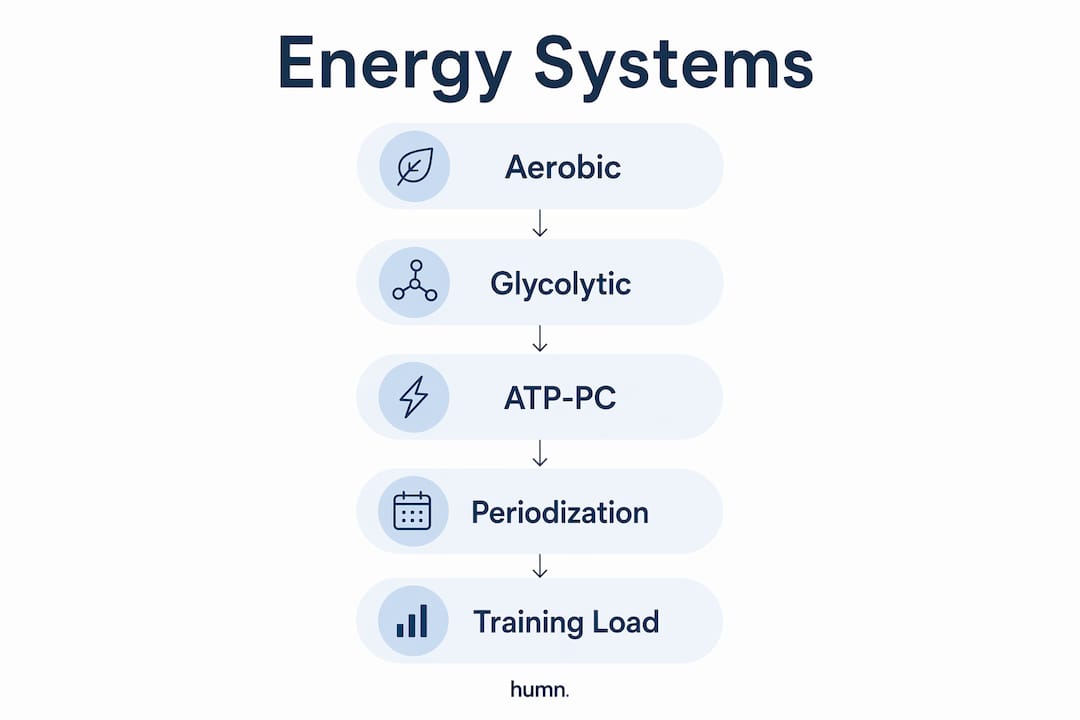
Optimized training mixes these systems strategically throughout the week. The recommended distribution is a practical starting point for most people:
| Energy system | Training share | Example activities |
|---|---|---|
| Aerobic | 70% | Zone 2 cardio, long walks, easy cycling |
| Glycolytic | 20% | Tempo runs, circuit training, HIIT |
| ATP-PC | 10% | Heavy lifts, sprints, plyometrics |
This 70/20/10 distribution manages recovery demand across the week. High-intensity glycolytic and ATP-PC work taxes the nervous system heavily. Filling 90% of your week with that kind of effort leads to overtraining, not adaptation. The aerobic base supports recovery between harder sessions and builds the cardiovascular foundation that makes everything else more efficient.
Periodization applies this logic across weeks and months. You cycle through phases that emphasize different energy systems, allowing full adaptation before shifting the stimulus. A well-structured week might include two aerobic sessions, one glycolytic interval session, and one ATP-PC strength session, with recovery days placed strategically between the hardest efforts.
Pro Tip: Track your session intensity on a simple 1–10 scale for two weeks. If most days land above 7, your aerobic base is underdeveloped and your recovery is suffering. Shift more sessions into the 5–6 range and watch your performance improve.
How can you apply systems-based fitness principles to your daily life?
Practical application starts with an honest audit, not a new program. Most people already have habits. The goal is to map them, identify the gaps, and build the system around your real life rather than an idealized version of it.
- Start with what you already do. If you walk the dog every morning, that is your aerobic base. Build from there.
- Use habit stacking to attach new behaviors. Pair a new habit with an existing one. Stretch after brushing your teeth. Prep tomorrow’s meals while dinner cooks tonight.
- Schedule recovery the same way you schedule training. A dedicated recovery session is not optional. It is the pillar that makes training productive.
- Track simply. A journal, a notes app, or a basic spreadsheet works. You do not need a sophisticated platform. You need consistent data points to spot patterns.
- Avoid perfectionism. Consistency beats perfection every time. Six moderate workouts per week outperform two extreme sessions. Regular protein intake throughout the day outperforms one large post-workout meal.
- Revisit your system monthly. Life changes. Your system should adapt with it, not break under pressure.
Mindset is not a soft add-on to a fitness system. It is a core multiplier that determines whether you execute the system when motivation is low. Coaches at humn treat mindset as a pillar equal to training and recovery, because the best program in the world fails without the mental framework to sustain it through disruption.
Pro Tip: When life gets chaotic, do not abandon the system. Shrink it. One 20-minute walk, one solid meal, eight hours of sleep. Minimum effective dose keeps the system alive until normal life resumes.
Key Takeaways
A systems-based fitness program succeeds because it treats training, nutrition, sleep, and recovery as one interconnected system, where the weakest pillar limits the entire result.
| Point | Details |
|---|---|
| Systems multiply, not add | A zero in any pillar, like chronic sleep debt, cancels gains from training and nutrition. |
| Choke points set your ceiling | Fix your weakest habit first before adding more training volume or dietary precision. |
| 70/20/10 energy distribution | Structure 70% aerobic, 20% glycolytic, and 10% ATP-PC work to prevent burnout and build longevity. |
| Environment beats willpower | Small friction reductions, like prepped meals and scheduled rest days, automate healthy behavior. |
| Consistency over intensity | Six moderate sessions outperform two extreme ones; steady habits compound into lasting results. |
Why I think most fitness plans fail before they start
Most fitness plans fail not because of bad programming. They fail because they treat the body like a machine with an on/off switch. You follow the plan when motivated. You stop when life gets hard. The plan never accounts for the disruption, so the disruption wins every time.
What I have seen, working with people across different fitness levels, is that the biggest gains come from the most boring interventions. Fixing sleep. Eating at consistent times. Walking more. These are not exciting. They do not sell programs. But they are the foundation that makes every other effort stick.
The other mistake I see constantly is over-engineering the system before it is even running. People spend weeks designing the perfect training split, the perfect meal plan, the perfect supplement stack. Then they burn out in month two because the system demands more than their life can sustain. A system that runs at 70% indefinitely beats a perfect system that collapses in eight weeks.
The most empowering thing about a systems approach is that it removes the blame spiral. When something is not working, you are not failing. The system has a bug. You find it, fix it, and move forward. That mindset shift alone changes everything. It turns setbacks into data and data into progress. That is the real value of thinking in systems rather than plans.
— Josh
Build your fitness system with humn
humn is a premium fitness and lifestyle coaching facility in Gaithersburg, MD, built specifically for people who want a long-term approach to health, not a short-term fix.

humn’s four-pillar framework, Resist, Recover, Renew, and Rhythm, maps directly onto the systems principles covered here. Coaches work with you on progressive strength training and recovery in a boutique setting designed to remove friction and build habits that last. Whether you are starting from scratch or rebuilding after a plateau, humn offers small-group training, 1-on-1 coaching, and dedicated recovery access under one roof. If you are ready to stop chasing motivation and start building a system, humn is where that work happens.
FAQ
What is a systems-based fitness program?
A systems-based fitness program is a coordinated approach that treats training, nutrition, sleep, and recovery as interdependent pillars. Neglecting any one pillar limits progress across the entire system.
How is this different from a standard workout plan?
A standard workout plan focuses only on exercise. A systems-based program integrates lifestyle factors like sleep, stress, and nutrition, so each element reinforces the others rather than working in isolation.
What are the benefits of a systems-based fitness approach?
The main benefits include reduced burnout, more consistent progress, and lower decision fatigue. Because the system runs on habits and environment design, it sustains results through life disruptions that derail motivation-based plans.
How do I start implementing a systems fitness approach?
Start with a 15-minute audit of your current habits, fix your sleep first, then anchor training to an existing routine before adding nutrition structure. Build one layer at a time rather than changing everything at once.
What is the 70/20/10 rule in fitness systems?
The 70/20/10 rule distributes weekly training across energy systems: 70% aerobic effort, 20% glycolytic intervals, and 10% explosive ATP-PC work. This balance prevents overtraining and supports long-term performance gains.
No Comments.