


The fastest evidence-backed fixes are the physiological sigh, extended-exhale diaphragmatic breathing, and box breathing. Each can shift how your body feels within minutes, and a short daily practice tends to work better than one long session. Use a 30 to 60 second version when you need relief right now, or build toward a daily 5-minute practice for lasting change.
TL;DR:
- The physiological sigh is the quickest method for immediate stress relief, especially effective in under a minute.
- Daily practice of diaphragmatic or box breathing results in more sustained reductions in stress and improved mood over time.
- Slow-paced breathwork mainly activates the vagus nerve, leading to physical calmness and lower heart rate, but effects are modest.
- Consistent, guided practice of at least five minutes per session is more effective than sporadic or longer sessions without guidance.
- Breathwork should be integrated into larger routines and tailored to individual health conditions for safety and lasting habit formation.
Table of Contents
- Step-by-step breathwork exercises for immediate stress relief
- What the research says about breathwork and stress
- How to practice breathwork safely and consistently
- A 5-minute breathwork routine you can start right now
- How coached breathwork fits into whole-person habit change
- Guided support if you want breathwork built into your routine
- Sources
- FAQ
Step-by-step breathwork exercises for immediate stress relief
You do not need special equipment or a quiet retreat to change your stress response. These techniques work at a desk, in a parked car, or between meetings.
Physiological sigh (cyclic sighing). Take a normal inhale through your nose, then a second short, sharp inhale on top of it to fully expand your lungs. Follow with a long, slow exhale through your mouth, twice as long as the inhale. Repeat for 1 to 5 cycles. This is the fastest reset on this list and works well right before a stressful conversation or after one.
Diaphragmatic (abdominal) breathing. Sit or lie down with one hand on your chest and one on your belly. Breathe in slowly through your nose so your belly rises while your chest stays fairly still, then exhale slowly through pursed lips. Diaphragmatic breathing increases how much air you move per breath and lowers your breathing rate, and clinical guidance often suggests practicing it for 10 to 20 minutes when possible, though even a few minutes helps.

Box breathing. Inhale for a count of 4, hold for 4, exhale for 4, hold for 4. Repeat for 4 to 8 rounds. Beginners who find the holds uncomfortable can drop to a 3 count or skip the second hold entirely and just do inhale, exhale, pause.
Pursed-lip or paced breathing. Inhale through your nose for 2 counts, then exhale slowly through pursed lips for 4 counts. This gentler option suits anyone managing asthma, COPD, or general breathlessness, since it avoids the breath-holding found in box breathing.
The 30 to 60 second reset. When you only have a moment, 3 rounds of the physiological sigh or 4 rounds of paced breathing at your desk will do more than nothing, and both are easy to repeat throughout the day.
- Choose the physiological sigh when you need relief in under a minute.
- Choose diaphragmatic breathing when you have a few quiet minutes and want a deeper reset.
- Choose box breathing when you want a structured count to anchor your attention.
Pro Tip: Pick one technique and practice it the same way every time for a week before adding a second, so it becomes automatic under real stress instead of something you have to think through.
What the research says about breathwork and stress
A synthesis of trials found that slow-paced breathwork produces a small to moderate reduction in subjective stress, along with measurable drops in respiratory rate. In a randomized controlled trial, participants who practiced daily 5-minute breathwork, especially cyclic sighing, showed greater improvements in mood and a larger drop in respiratory rate than a mindfulness meditation group.
A meta-analysis of 12 studies covering 785 participants found a mean effect size of g = -0.35 for stress reduction, with effects on heart rate variability ranging higher. That is a real but modest effect, not a cure.
The likely mechanism is vagal activation: slower, longer exhales shift the nervous system toward its parasympathetic, rest-and-digest mode. Breathing near a resonance frequency of about 6 breaths per minute appears to maximize heart rate variability gains, according to research on slow-paced breathing. Expect a noticeable slowing of heart rate and a sense of physical calm rather than an instant mood transformation, and know that effects vary across studies and techniques.
How to practice breathwork safely and consistently
Consistency matters more than intensity. A systematic review of 58 studies found that effective breathwork interventions shared a few features: sessions of 5 minutes or longer, human-guided training, and repeated practice over time rather than a single long session.
Safety comes first. Stop immediately if you feel dizzy, lightheaded, or notice tingling in your hands or face, and avoid intense, fast-paced hyperventilation-style techniques around hazards like driving or standing near stairs. If you have a cardiovascular, respiratory, or psychiatric condition, check with a clinician before starting a new breathing practice, particularly one involving breath holds.
- Anchor your practice to an existing habit, like right after brushing your teeth or before opening your laptop.
- Use a short guided audio track if counting on your own feels distracting.
- Track how you feel rather than any physiological number, since perceived calm is the more reliable signal day to day.
- Start with milder techniques like paced or diaphragmatic breathing before trying anything with long breath holds.
If a technique brings on panic-like sensations, switch to gentle diaphragmatic breathing or simple counting and shorten the session rather than pushing through it. People managing airflow limitation from asthma or COPD generally do better with pursed-lip breathing than with box breathing’s extended holds.
Pro Tip: If you are new to breathwork, a guided session with a coach or app for your first few tries builds the muscle memory faster than trial and error alone.
A 5-minute breathwork routine you can start right now
- Settle (30 seconds): Sit upright, feet flat, hands resting on your thighs. Close your eyes or soften your gaze.
- Diaphragmatic breathing (2 minutes): Breathe in through your nose so your belly rises, exhale slowly through pursed lips. Aim for a slow, even rhythm.
- Physiological sighs (1 minute): Do 4 to 6 rounds: double inhale through the nose, long exhale through the mouth.
- Box breathing cooldown (1.5 minutes): Inhale 4, hold 4, exhale 4, hold 4, for 6 to 8 rounds.
Short on time? Do just step 3 for a 60 to 90 second break between tasks. Have more time? Extend step 2 to 10 minutes for a deeper session. This routine pairs well with a short posture microbreak if you work at a desk, or with a few minutes of stillness before bed.
How coached breathwork fits into whole-person habit change
Breathwork works best as one piece of a larger routine, not an isolated fix. Inside a habit-based coaching model, a short breathing practice can slot into recovery work, whether that means a few minutes before a sauna session or paired with the wind-down that follows training. Coaches can help a client stack a breathing cue onto something they already do daily, the same way mindfulness pairs naturally with a fitness routine. The goal is not one perfect technique but a rhythm the client can actually sustain across strength, recovery, and daily stress.
— Josh
Guided support if you want breathwork built into your routine
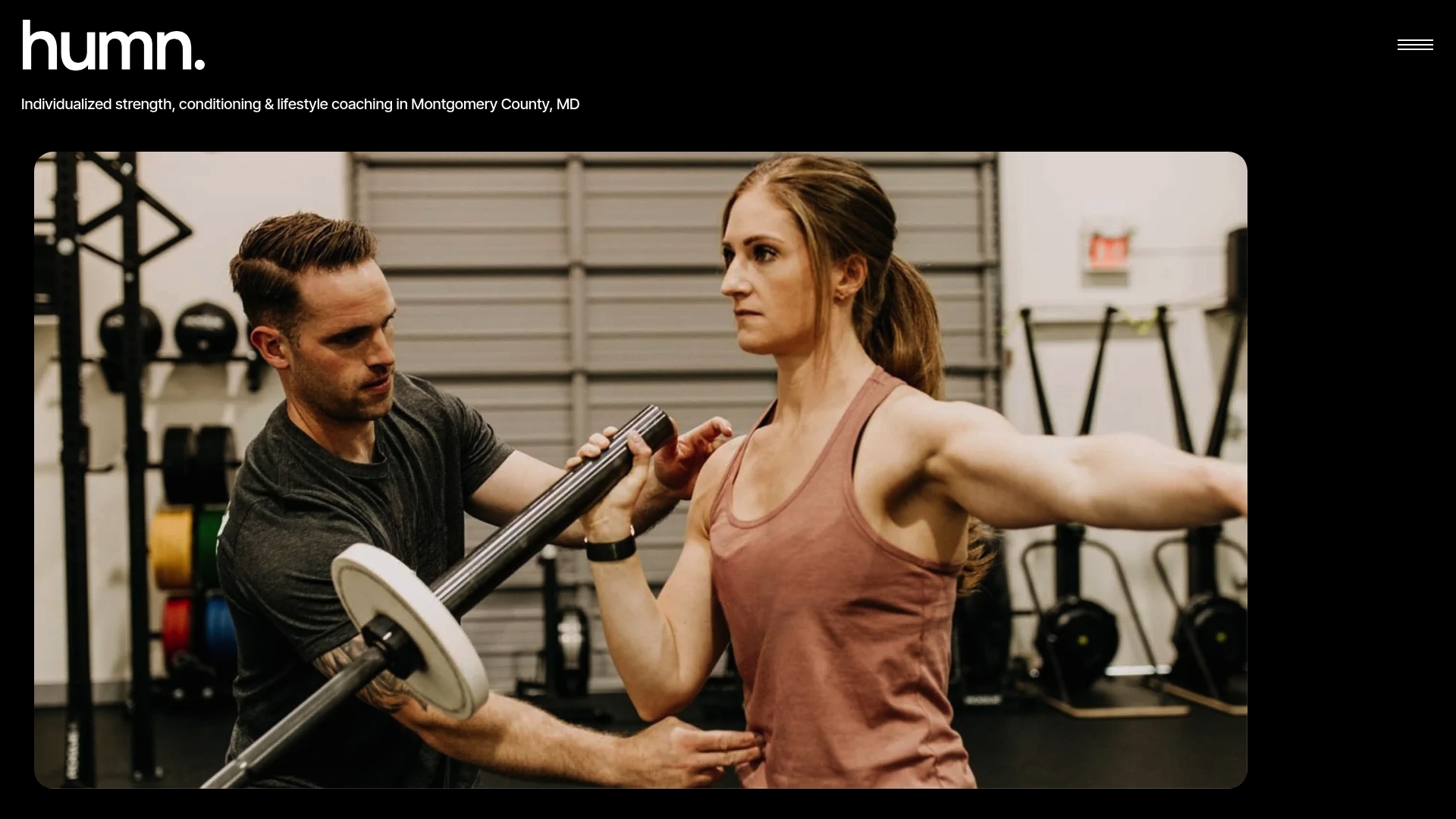
Reading about box breathing is one thing, building it into a week that already includes work, training, and everything else is another. At humn., breathwork and stress management show up as part of coached programming rather than a separate task to remember on your own, folded into the habit-first work our coaches do around sleep, recovery, and daily rhythm.
- Membership includes small-group personal training and coaching & guidance focused on habit development.
- Recovery services such as sauna, compression, and red light therapy provide opportunities to complement a breathing practice.
- 1:1 nutrition coaching supports a habit-based approach for managing stress related to eating and overall well-being.
If you want a coach helping you build a breathing habit that actually sticks, check out humn. membership options or see what a session at our recovery space looks like.
Sources
- Effect of breathwork on stress and mental health: meta-analytic data (PubMed listing)
- Brief structured respiration practices enhance mood and reduce physiological arousal (PMC RCT)
- Cleveland Clinic: diaphragmatic breathing
FAQ
Does breathwork help with stress?
Yes, research shows slow-paced breathwork produces a measurable, small to moderate reduction in subjective stress along with lower respiratory rates. The effect is real but modest, so it works best alongside other stress management habits rather than as a standalone fix.
What’s the best breathing technique for stress?
The physiological sigh is the fastest option for acute relief, while daily practice of diaphragmatic breathing or box breathing builds a more lasting effect over time. A randomized trial found cyclic sighing improved mood and lowered respiratory rate more than mindfulness meditation when practiced daily for 5 minutes.
What is the relationship between anxiety and breathing?
Fast, shallow chest breathing tends to accompany anxiety and can reinforce a stress response, while slower breathing with a longer exhale helps shift the nervous system toward a calmer state. This is why techniques like extended-exhale breathing and diaphragmatic breathing are commonly recommended for anxiety management.
What are some techniques for reducing anxiety?
Extended-exhale breathing, the physiological sigh, and gentle diaphragmatic breathing are among the most accessible starting points, since none require breath holds that can feel uncomfortable for someone already anxious. If a technique causes dizziness or increased anxiety, switch to simple counting or grounding and shorten the session.
No Comments.