

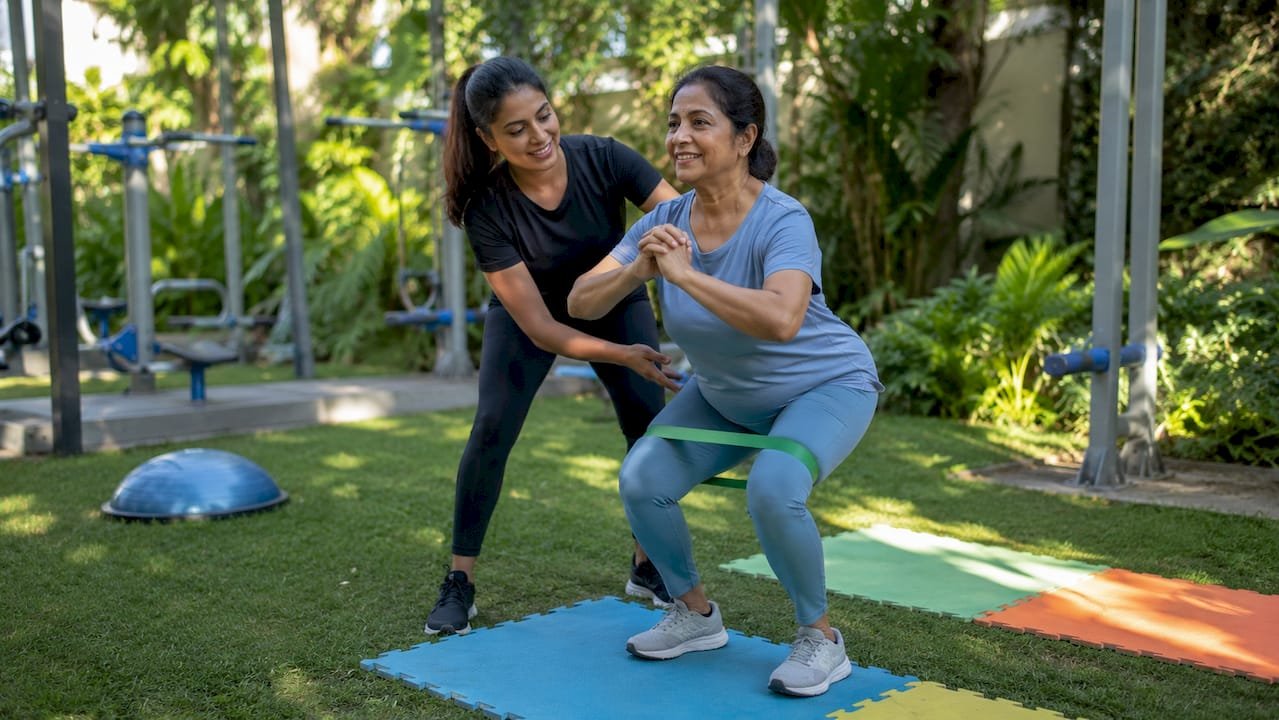
Adaptive fitness programming is defined as a specialized exercise approach that modifies movement, equipment, and intensity to fit the unique physical and cognitive needs of each person. Unlike standard gym programs built around fixed progressions, adaptive exercise programs start with the individual and build outward. The approach covers everyone from people managing chronic conditions like multiple sclerosis or Parkinson’s disease to those recovering from surgery, navigating mobility limitations, or simply needing a smarter, more responsive training plan. humn applies this same principle through its four-pillar framework, treating fitness as a whole-person system rather than a set of workouts to complete.
What is adaptive fitness programming and how is it defined?
Adaptive fitness programming is a systems-based exercise approach that modifies equipment, movement patterns, and training intensity to fit the person, not the other way around. The standard industry term is “adaptive training,” and it sits at the intersection of exercise science, rehabilitation, and behavioral coaching. Most traditional programs assume a baseline level of capacity and progress from there. Adaptive programs assume nothing and assess everything first.
The definition of adaptive fitness goes beyond physical modification. It recognizes that a person’s readiness to train changes day to day based on pain levels, medication cycles, sleep quality, and energy. A program that ignores those variables is not adaptive. It is just a softer version of a standard plan.
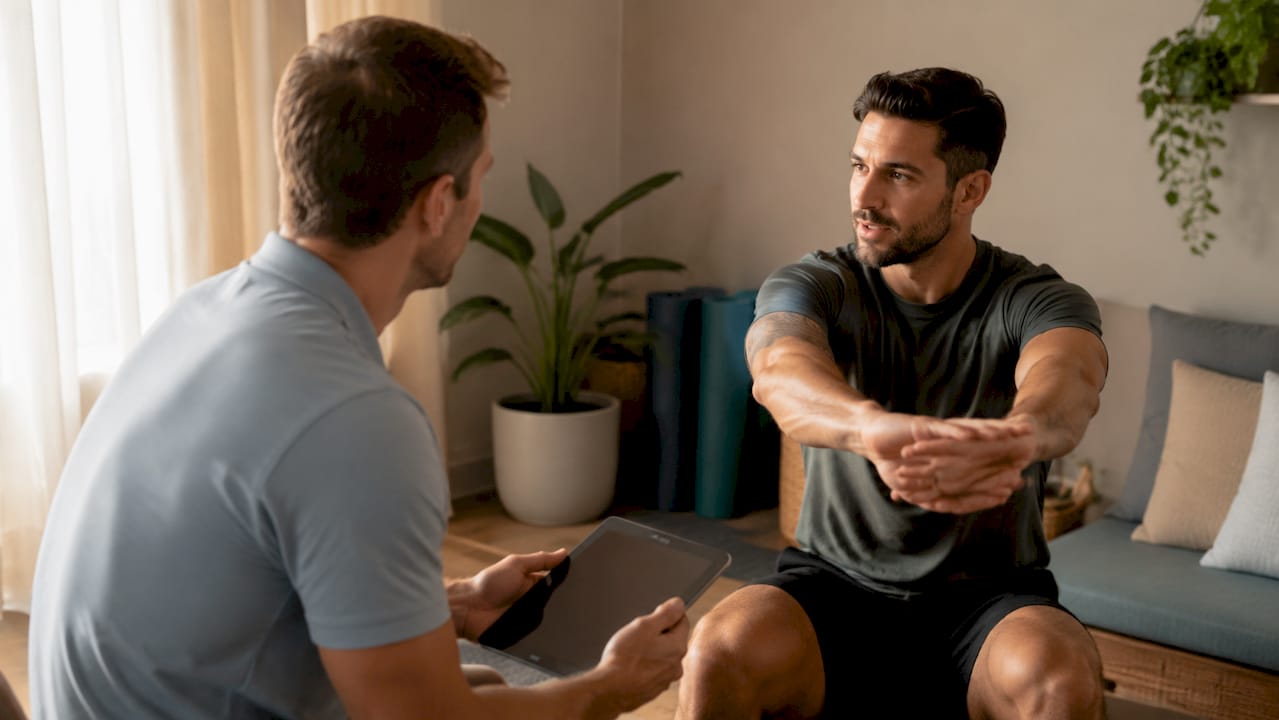
The core principle is personalization at every level: the exercise selected, the load applied, the environment used, and the pace of progression. This is what separates adaptive fitness from simply “scaling back” a workout. Scaling back reduces the challenge. Adaptive programming redesigns the challenge to match the person.
How does adaptive fitness programming work?
The process begins with an intake assessment far more detailed than a standard health questionnaire. Adaptive intake assessments evaluate physical limitations, cognitive factors, daily energy fluctuations, and baseline capacity. That baseline is not fixed. It shifts based on pain, medication, and fatigue, so the program must shift with it.
From that intake, a coach builds a customized exercise prescription. The prescription does not follow a rigid weekly schedule. It adjusts based on how the person shows up each session. A client with fibromyalgia, for example, may train at 80% capacity on Monday and 50% on Wednesday. The program accounts for both without losing the training effect.
The methodology relies on three core tools:
- Movement modification: Replacing exercises that create pain or risk with biomechanically equivalent alternatives that produce the same physiological adaptation
- Equipment adaptation: Using resistance bands, suspension trainers, seated implements, or assistive devices to make movements accessible without removing the training stimulus
- Environmental adjustment: Modifying lighting, noise, space, or pacing for clients with sensory sensitivities or neurological conditions
Biomechanical analysis is central to this process. A coach identifies which movement constraints exist, then restructures the exercise stimulus to bypass those constraints while still delivering enough load for progress. This is not guesswork. It requires a high level of technical skill.
Pro Tip: The most common mistake in adaptive programming is erring too far toward caution. Under-loading a client consistently produces no adaptation. The goal is a challenging stimulus delivered safely, not the absence of challenge.
What are the benefits of adaptive fitness programming?
Adaptive fitness benefits span physical, emotional, and social domains. Research shows that adaptive training improves motor skills, cardiovascular capacity, and flexibility while also supporting emotional well-being. Those outcomes are not secondary. For many people managing chronic illness or disability, emotional resilience and functional independence are the primary goals.
The physical benefits are well documented across conditions including MS, Parkinson’s disease, and post-operative recovery. Clients gain functional strength, meaning the kind that helps them carry groceries, climb stairs, and move through daily life with less effort and less pain. That is a different target than aesthetic improvement, and it requires a different program design.
The social dimension matters too. Adaptive fitness settings tend to build strong community bonds because participants share a common experience of working around limitations rather than pretending they do not exist. That shared honesty creates trust and accountability.
| Benefit category | Traditional fitness | Adaptive fitness |
|---|---|---|
| Program design | Fixed progressions | Daily capacity-based adjustments |
| Primary goal | Performance or aesthetics | Functional autonomy and quality of life |
| Population served | Generally healthy adults | All populations, including special needs |
| Success metric | Weight lifted or lost | Adaptation, independence, and adherence |
| Coaching skill required | Moderate | Advanced, multi-domain |
Beyond the table above, adaptive fitness prioritizes functional autonomy and sustainable progress over short-term aesthetic goals. That shift in priority changes everything: the exercises chosen, the pace of progression, and how success is measured. Clients who make this shift report higher long-term adherence because the program serves their actual life, not an idealized version of it.
Who can benefit from adaptive fitness programming?
Adaptive exercise programs serve a broader population than most people realize. The common assumption is that adaptive fitness is only for people with severe disabilities. The reality is that anyone whose body does not respond predictably to standard programming is a candidate.
Populations that benefit most include:
- People with chronic conditions such as MS, Parkinson’s disease, arthritis, fibromyalgia, or type 2 diabetes
- Individuals recovering from surgery, injury, or stroke
- Older adults managing age-related mobility loss or balance issues
- Pregnant or postpartum individuals needing modified loading and movement
- People with neurological or sensory differences, including autism spectrum disorder
- Anyone with chronic pain that makes standard programming unsafe or ineffective
Adaptive fitness for autism and other sensory conditions represents one of the fastest-growing areas of specialization. The American College of Sports Medicine recognizes this as a distinct coaching domain requiring specific knowledge of sensory processing, communication strategies, and environmental design.
The coaching credential matters here. A trainer who understands evidence-based fitness methods and has studied adaptive populations will produce better outcomes than one who simply reduces weight and calls it adaptive. Certification bodies like the American College of Sports Medicine and the National Academy of Sports Medicine offer adaptive fitness specializations that signal genuine competency.
How do you integrate adaptive fitness into your training or recovery?
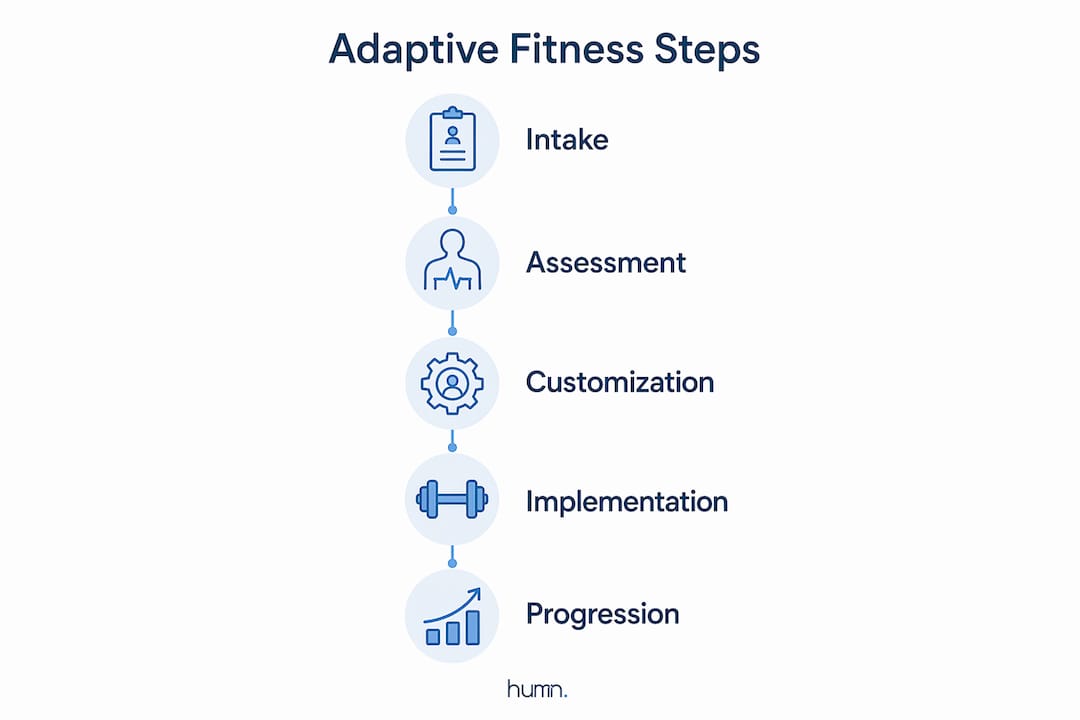
Starting with adaptive fitness programming follows a clear sequence. Skipping steps, especially the assessment phase, is the most common reason programs fail.
- Complete a thorough intake assessment. Work with a coach who evaluates your daily capacity, not just your diagnosis. A good intake covers pain patterns, medication timing, energy cycles, sleep quality, and movement history.
- Set functional goals, not aesthetic ones. Define what you want to do better in daily life. Carry your child without back pain. Walk a mile without fatigue. Those goals drive better program design than “lose 20 pounds.”
- Expect your program to change frequently. An adaptive program that stays the same for months is not adaptive. Your coach should adjust load, volume, and exercise selection based on how you respond week to week.
- Communicate your daily state before each session. Tell your coach how you slept, how much pain you are in, and how your energy feels. That information directly shapes what you do that day.
- Track adaptation, not just performance. Note whether daily tasks feel easier, whether your pain is lower after training, and whether your mood improves. These are valid fitness outcomes.
Fitness periodization applies directly here. Structuring training in planned cycles with built-in recovery phases prevents the overtraining that derails many adaptive clients. The goal is sustainable progress, not peak performance at any cost.
Pro Tip: When transitioning to adaptive programming, resist the urge to compare your training to what you did before your condition changed. That comparison undermines adherence. Your new baseline is the only relevant starting point.
Maintaining motivation in adaptive fitness requires a mindset shift from passive participation to active ownership. Clients who view themselves as partners in their programming, rather than recipients of it, show significantly better long-term adherence. That mental shift is not automatic. It is something a skilled coach actively cultivates.
Key Takeaways
Adaptive fitness programming works because it treats daily capacity as the starting point, not a fixed standard, making it the most sustainable approach for anyone whose body does not respond predictably to conventional training.
| Point | Details |
|---|---|
| Definition of adaptive fitness | A systems-based approach that modifies movement, equipment, and intensity to match each person’s current capacity. |
| Intake assessment is non-negotiable | A rigorous intake evaluates pain, energy, medication, and cognitive factors before any exercise is prescribed. |
| Benefits span multiple domains | Adaptive training improves motor skills, cardiovascular health, emotional well-being, and functional independence. |
| Who needs adaptive fitness | Anyone with chronic conditions, mobility limitations, neurological differences, or post-operative needs qualifies. |
| Coaching skill determines outcomes | Effective adaptive programming requires advanced knowledge of biomechanics, motor control, and behavioral coaching. |
Why adaptive fitness is harder than it looks
Adaptive fitness is widely misunderstood as the “easy” version of training. That misunderstanding does a disservice to both coaches and clients. Effective adaptive coaching demands a higher skill level than standard personal training because it integrates mobility, motor control, strength, and behavioral psychology simultaneously. There is no template to follow. Every session is a judgment call.
What I have seen repeatedly is that the clients who make the most progress in adaptive programs are the ones who stop thinking of themselves as broken. The shift from “I can’t do what I used to do” to “I’m building what my body can do now” is not just motivational language. It changes how people train, how consistently they show up, and how honestly they communicate with their coach.
Fitness as adaptive ability is a concept that reframes success entirely. It moves the measure of fitness away from how much you lift or how fast you run and toward how well you adapt across physical, psychological, and social dimensions. That is a more honest measure of health for most people, and it is where the field is heading.
The future of this discipline lies in niche specialization. Neurological adaptation, sensory processing, and condition-specific programming are becoming distinct coaching domains. The trainers who invest in that depth now will be the ones clients trust most in the years ahead.
— Josh
Personalized coaching that meets you where you are
If adaptive fitness programming resonates with you, the next step is working with a coach who can actually deliver it, not just describe it. humn builds every program around the individual, starting with a thorough assessment and adjusting continuously based on how you respond.
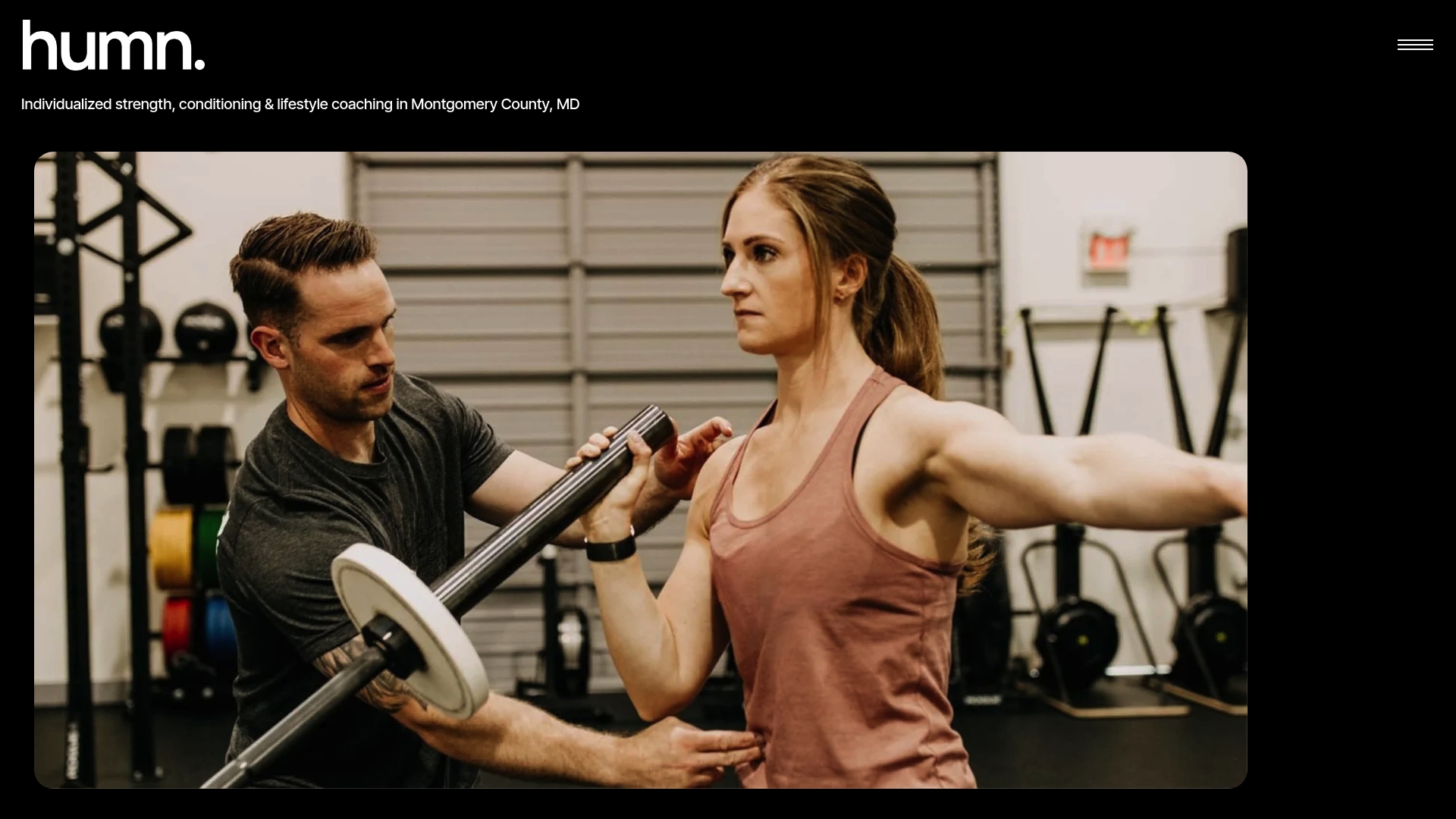
The benefits of 1-on-1 coaching are most visible in adaptive contexts, where the difference between a generic plan and a truly personalized one determines whether you make progress or stay stuck. humn’s coaches work across strength, recovery, and lifestyle factors together, not in isolation. If you are ready to train in a way that fits your actual life, explore what humn offers and connect with a coach who understands adaptive programming from the ground up.
FAQ
What is the definition of adaptive fitness programming?
Adaptive fitness programming is a specialized exercise approach that modifies movement, equipment, and training intensity to match each person’s physical and cognitive capacity. It differs from standard programming by adjusting dynamically based on daily energy, pain, and health status.
Who needs adaptive fitness programming?
Anyone with a chronic condition, disability, mobility limitation, neurological difference, or post-operative recovery need benefits from adaptive fitness. The approach also serves older adults, pregnant individuals, and anyone whose body does not respond predictably to conventional training.
How does adaptive fitness differ from regular personal training?
Regular personal training typically follows fixed progressions built for generally healthy adults. Adaptive programming starts with a detailed intake, sets functional goals, and adjusts load and exercise selection session by session based on the client’s current capacity.
Is adaptive fitness programming only for people with disabilities?
No. Adaptive fitness serves anyone who needs a more responsive, personalized approach to exercise. That includes people managing chronic pain, fatigue-related conditions, age-related mobility changes, or high-stress lifestyles that affect daily training capacity.
How do I find a qualified adaptive fitness coach?
Look for coaches with certifications from recognized bodies like the American College of Sports Medicine or the National Academy of Sports Medicine, specifically those with adaptive or special populations specializations. Facilities like humn that use evidence-based, whole-person programming are well positioned to deliver genuine adaptive training.
Recommended
- The Role of Mindset in Fitness Success: 2026 Guide – humn.
- Fitness Periodization Explained: Your Complete Training Guide – humn.
- Benefits of 1-on-1 Fitness Coaching for Professionals – humn.
- HUMN – Personal Training in Individualized strength, conditioning & lifestyle coaching in Montgomery County, MD
No Comments.