

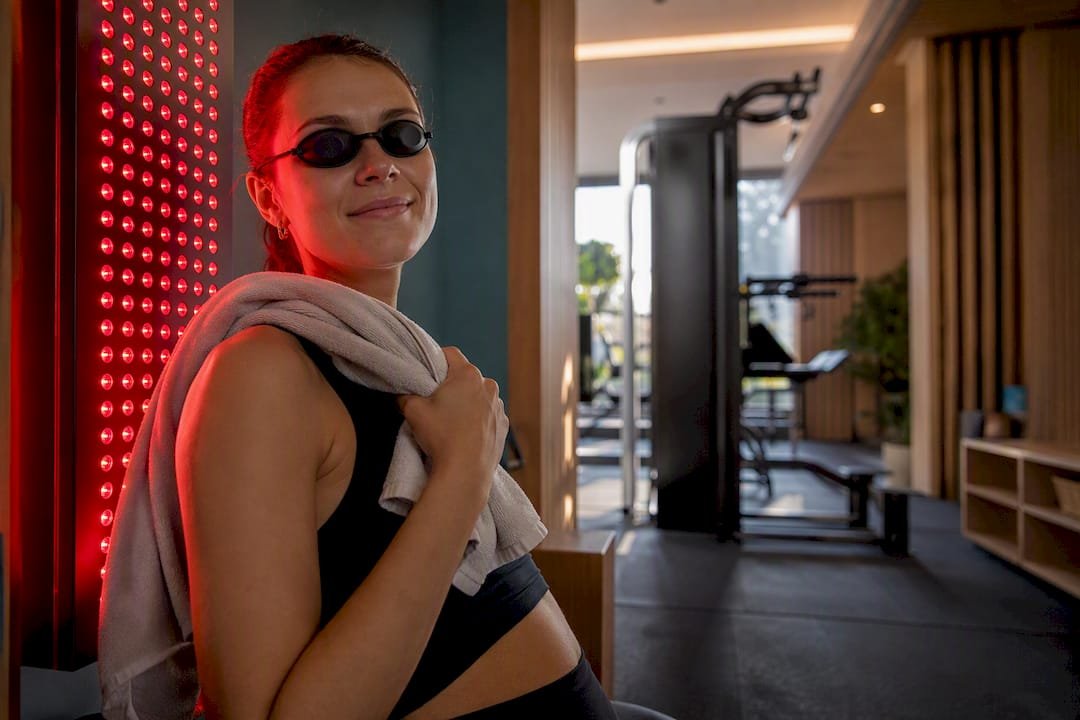
Use red light before a workout when your goal is a short performance prime: a few minutes on the muscles you’re about to load, finished shortly before you start. Use it after training when your goal is recovery, which is where the evidence is more consistent. Do both only if you’re training at high frequency or chasing a specific performance edge.
Try this today:
- Pre-lift: about a short session of only a few minutes at 660nm or 850nm, 6 to 12 inches from skin, on primary movers
- Post-lift: approximately 10 to 20 minutes within 30 to 60 minutes of finishing, same distance
- Watch for: less warm-up fatigue and steadier reps pre-workout; less next-day soreness post-workout
Key Takeaways
The strongest evidence favors post-workout red light therapy for recovery, while pre-workout use offers a smaller, less consistent performance edge worth testing on key training days.
| Point | Details |
|---|---|
| Post-workout wins on evidence | Sessions within 30 to 60 minutes post-exercise show the most consistent reductions in soreness and damage markers. |
| Pre-workout is a smaller bet | Trials show mixed results; use a short session of only a few minutes on target muscles for a possible performance prime. |
| Wavelength shapes depth | Near-infrared (810 to 850nm) reaches muscle tissue better than visible red (660nm), which stays shallow. |
| Consistency beats intensity | Plan on 3 to 5 sessions weekly for several weeks before judging whether it’s working. |
| humn. integrates it into coaching | humn.'s recovery services pair red light therapy with sauna and compression inside a coached program, not a standalone device. |
Table of Contents
- What Is Red Light Before Workout Therapy and Why Does Timing Matter?
- Does Red Light Before Training Actually Improve Performance?
- When Should You Use Red Light After a Workout for Recovery?
- Can You Use Red Light Both Before and After Training?
- How Do You Choose the Right Dose and Device Distance?
- Who Should Avoid Red Light Therapy Before a Workout?
- What Does the Research Actually Support?
- My Take on Timing Red Light Right
- How humn. Builds Red Light Into Your Recovery Plan
- Sources
What Is Red Light Before Workout Therapy and Why Does Timing Matter?
Red light therapy, also called photobiomodulation, works by feeding specific wavelengths of light into your cells, where a mitochondrial enzyme called cytochrome c oxidase absorbs it. Basic science research links that absorption to increased mitochondrial efficiency and nitric oxide release, the same mechanisms behind short-term ATP gains and vasodilation.
Wavelength decides how deep the light travels. Visible red around 660nm mostly affects skin and shallow tissue. Near-infrared in the 810 to 850nm range penetrates further, which is why clinical and sports-medicine summaries recommend it for reaching actual muscle tissue rather than just skin.
The chain runs like this: light hits cytochrome c oxidase, mitochondria produce more ATP, blood vessels dilate from nitric oxide release, and you get either a performance boost or a recovery assist depending on when you apply it. A Cleveland Clinic overview confirms this dual-purpose use is well recognized, with wavelength and device choice shaping the outcome.
- 660nm: shallow tissue, skin-focused effects
- 810 to 850nm: deeper penetration, better for muscle
- Combination devices: cover both ranges in one session
Does Red Light Before Training Actually Improve Performance?
Pre-workout light exposure targets three things: priming mitochondria in the muscles you’re about to use, boosting local blood flow, and potentially pushing back the point where fatigue sets in. It’s a warm-up assist, not a replacement for one.
The evidence here is real but uneven. A systematic review of human trials found that pre-exercise photobiomodulation improved strength, power, and endurance in a meaningful share of studies. But results varied by age, sex, and protocol, and some trials showed no measurable benefit at all. If you’re expecting a guaranteed strength jump every session, you’ll be disappointed. If you’re looking for a small, inconsistent edge that costs you 10 minutes, it’s worth testing.
- Choose near-infrared (810 to 850nm) or a combination device for muscle-level effect
- Position the panel 6 to 12 inches from skin
- Expose the specific muscle group you’re training for a short session of only a few minutes
- Finish 5 to 15 minutes before your first working set
- Move into your normal dynamic warm-up right after
Pro Tip: Don’t treat red light as a substitute for a dynamic warm-up. Use it alongside movement prep, not instead of it. The light primes the tissue, but you still need blood moving through full ranges of motion before you load a barbell.
When Should You Use Red Light After a Workout for Recovery?
Post-workout is where red light therapy earns its reputation. The goals shift from priming to repair: reducing delayed-onset muscle soreness, calming inflammation, and supporting the repair process your muscles start the moment you rack the weight.
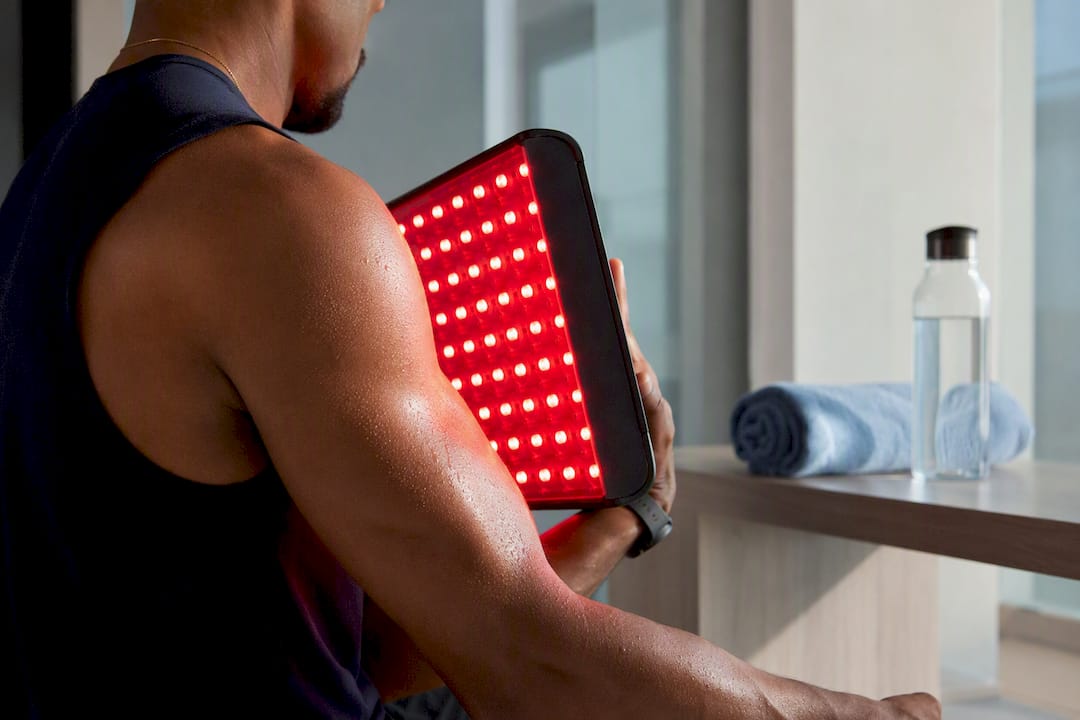
Timing matters more here than it does pre-workout. Applied sports research suggests sessions placed in the first hour after exercise produce the most consistent results, which is why the 30 to 60 minute window gets recommended so often. Wait too long and you may be applying light after the worst of the inflammatory cascade has already set its course.
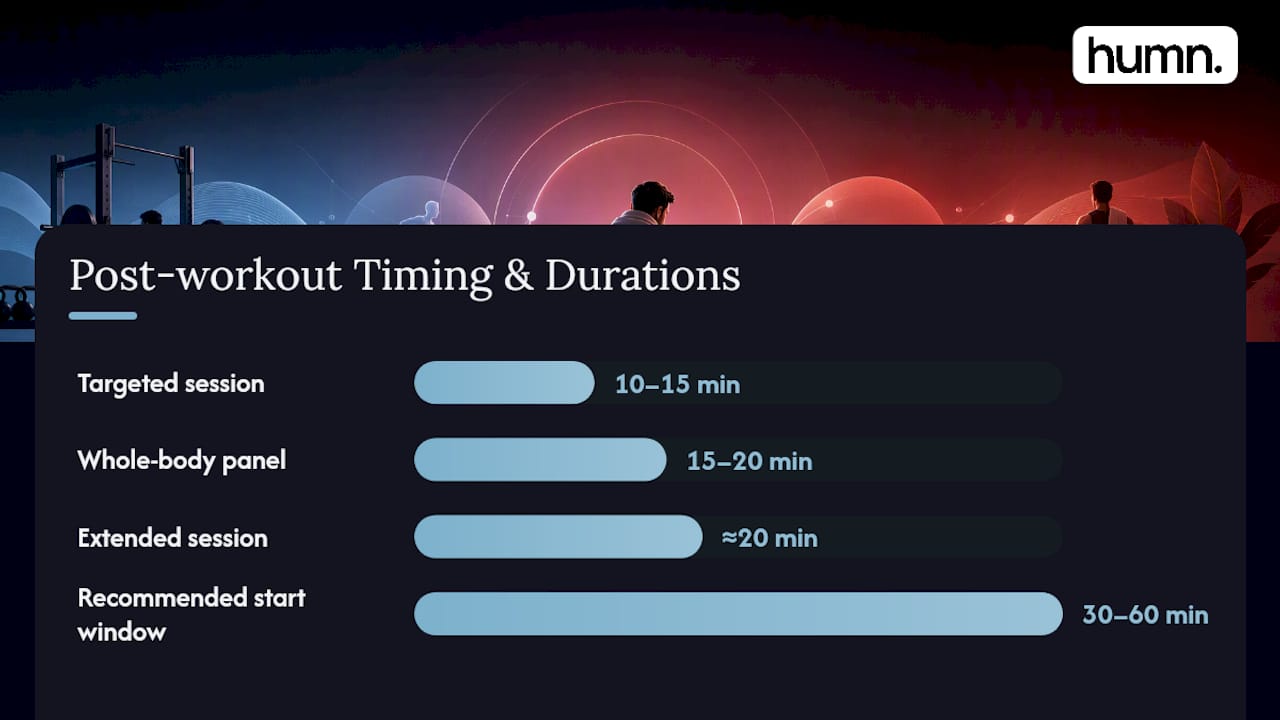
Multiple randomized trials and meta-analyses report reduced soreness and muscle damage markers when photobiomodulation is used in this post-exercise window, one of the more consistent findings in the entire body of research on this topic.
| Session Type | Duration | Best For |
|---|---|---|
| Targeted (1 to 2 areas) | about 10 to 15 minutes | Isolated soreness, single muscle group focus |
| Whole-body panel | about 15 to around 20 minutes | Full-body training days, general recovery |
| Extended recovery session | around 20 minutes | High training volume, competition prep |
- Start the clock as soon as you finish your last set
- Prioritize the muscle groups that took the most volume
- Pair with hydration and protein intake for a fuller recovery stack
Can You Use Red Light Both Before and After Training?
Doing both makes sense for competitive athletes, anyone training at high frequency, or people dealing with persistent soreness that a single session isn’t touching. A hybrid approach, brief pre-workout priming paired with longer post-workout recovery, serves two different physiological goals rather than doubling up on one.
- Single-session training day: a short session of only a few minutes pre, about 15 to around 20 minutes post
- Two-a-day training: shorten each session slightly to stay under your daily exposure ceiling
- Persistent soreness weeks: prioritize the post-workout session length over the pre-workout one
Don’t stack maximum-length sessions morning and night just because you can. More total exposure isn’t automatically better, and your daily total should stay proportional to what a single full-length session would deliver.
How Do You Choose the Right Dose and Device Distance?
Two numbers matter more than any marketing claim: irradiance (measured in mW/cm², how strong the light is) and fluence (measured in J/cm², total dose delivered over a session). A device can have great irradiance but still under-deliver if your session is too short, or over-deliver if you sit too close for too long.
Distance changes both numbers. Move a panel from 12 inches to 6 inches and you can double your effective irradiance without changing your timer. Wearable belts and handheld devices trade coverage area for closer, more concentrated dosing, better for a single stubborn spot than a full-body session.
- Match your session length to your specific device’s irradiance, not a generic timer
- Consumer skin-health devices often run shorter sessions than athletic applications need for deeper muscle tissue
Research on dose response consistently points to a biphasic effect: too little light does nothing, but too much can blunt the benefit entirely. More is not automatically better, and pushing past your device’s recommended time won’t accelerate results.
Who Should Avoid Red Light Therapy Before a Workout?
Red light therapy carries a strong safety profile overall, but a handful of situations call for caution or a skip entirely.
- Skip it if you’re on photosensitizing medications (certain antibiotics, acne treatments, some diuretics)
- Avoid direct exposure over open wounds or active skin infections
- Wear proper eye protection; never stare directly into the panel
- Talk to your doctor first if you’re pregnant or have a history of skin cancer
- Watch for unusual redness, irritation, or discomfort during or after a session
Clinical summaries generally describe the therapy as low-risk when manufacturer distance and time guidelines are followed. If you notice a skin reaction that doesn’t fade within a few hours, stop and check in with a healthcare provider before your next session.
What Does the Research Actually Support?
The honest summary: pre-workout use has scattered but real support, post-workout use has more consistent support, and both depend heavily on dose and consistency. Trials on pre-exercise photobiomodulation show improved reps and time-to-exhaustion in some populations, while other studies using different protocols find nothing. That inconsistency isn’t a flaw in the research so much as a reflection of how much wavelength, irradiance, and individual biology can shift outcomes.
Recent trials point to device irradiance and session frequency as the biggest levers separating a study that finds benefits from one that doesn’t. Recovery-focused specialists generally treat red light as a habit rather than a one-off fix: 3 to 5 sessions per week over several weeks before you can reasonably judge whether it’s working for you.
- Pre-workout: improved output in some trials, no effect in others
- Post-workout: more reliable reductions in soreness and damage markers
- Consistency (3 to 5x weekly) matters more than any single session’s intensity
My Take on Timing Red Light Right
If you can only do one, pick post-workout. The recovery evidence is steadier, and less soreness means better sessions down the line. Save short pre-workout primes for the training days that actually matter, a heavy squat day or a race week, not every single session.

Track it honestly: log perceived exertion, reps completed, and next-day soreness for three to six weeks before deciding if it’s earning its place in your routine.
How humn. Builds Red Light Into Your Recovery Plan
Timing your red light sessions right is one piece of a much bigger recovery puzzle, and figuring it out alone through trial and error costs you weeks you don’t have to lose. humn. builds red light therapy directly into coached recovery protocols, so sessions get scheduled around your actual training load instead of guesswork.
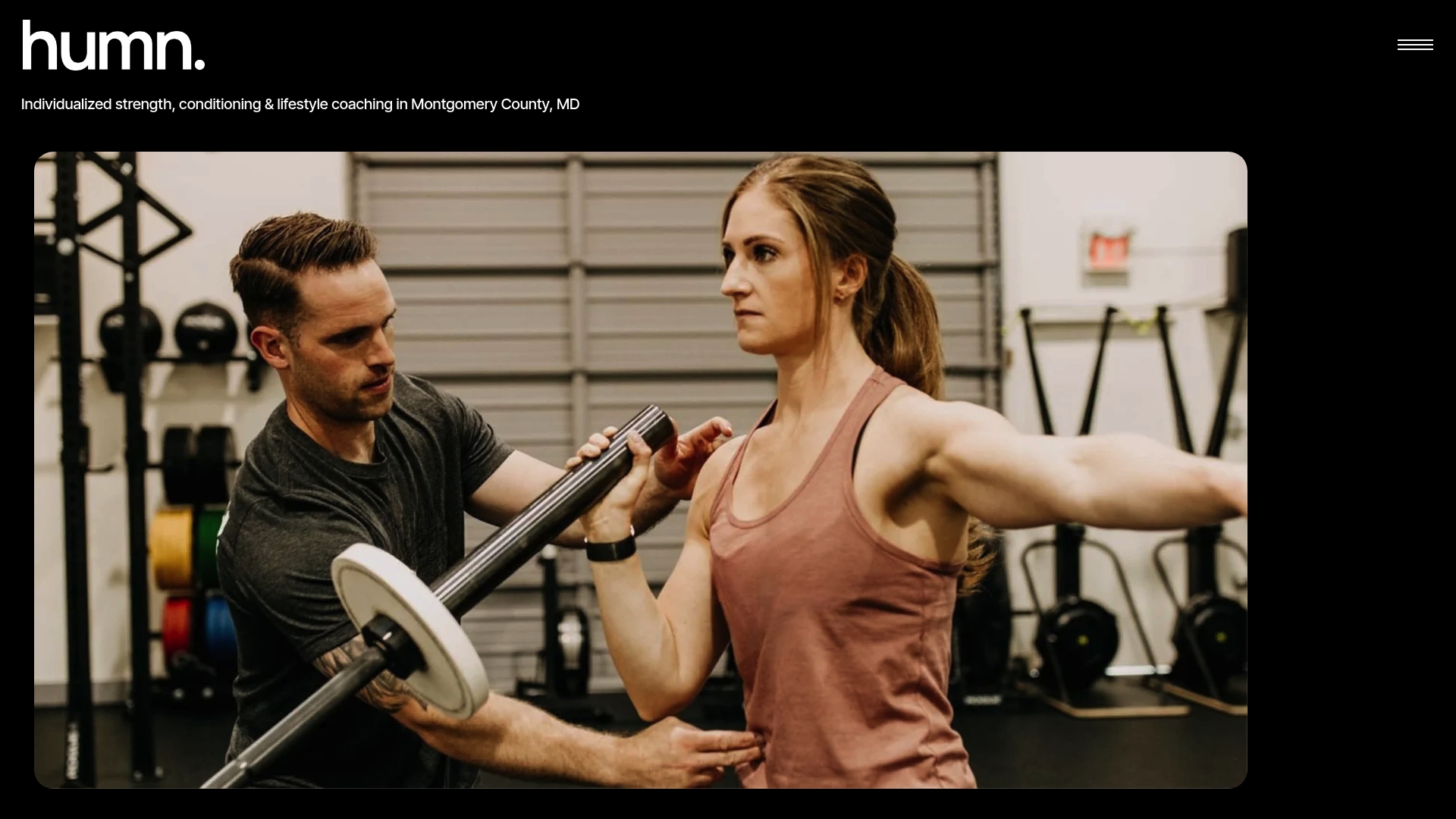
Members get red light paired with sauna and compression as part of a system, not a standalone gadget you have to figure out on your own:
- Coaches map your red light timing to your specific training block, whether that’s a heavy lifting phase or a high-frequency stretch
- Small-group and 1-on-1 coaching means someone’s tracking whether it’s actually reducing your soreness
- Habit-focused follow-through keeps you consistent for the weeks it takes to see results
If you’re in Gaithersburg and want recovery built into your program instead of bolted on, book a visit with humn. and find out what a coached approach looks like.
Sources
Reading the primary trials directly gives you a clearer sense of which protocols were actually tested, since summaries can smooth over the exact dose and timing details that matter most.
This article is general information, not a substitute for advice from a qualified doctor. Consult a qualified healthcare professional about your own circumstances before acting on anything here.
No Comments.